Professional Concrete Contractors in Spokane
Reliable concrete contractors in Spokane delivering durable foundations, driveways, patios, and custom installations. We blend precision, quality, and expertise to achieve lasting results – on schedule, every time.
Delivering Top-Quality Concrete Solutions
We offer expert concrete services including foundations, driveways, patios, sidewalks, decorative finishes, repairs, and custom solutions for both residential and commercial projects.
Driveways
Expertly crafted concrete driveways built to be strong, durable, and long-lasting.
Patios
Custom concrete patios designed for style, comfort, and enhanced outdoor living.
Repairs
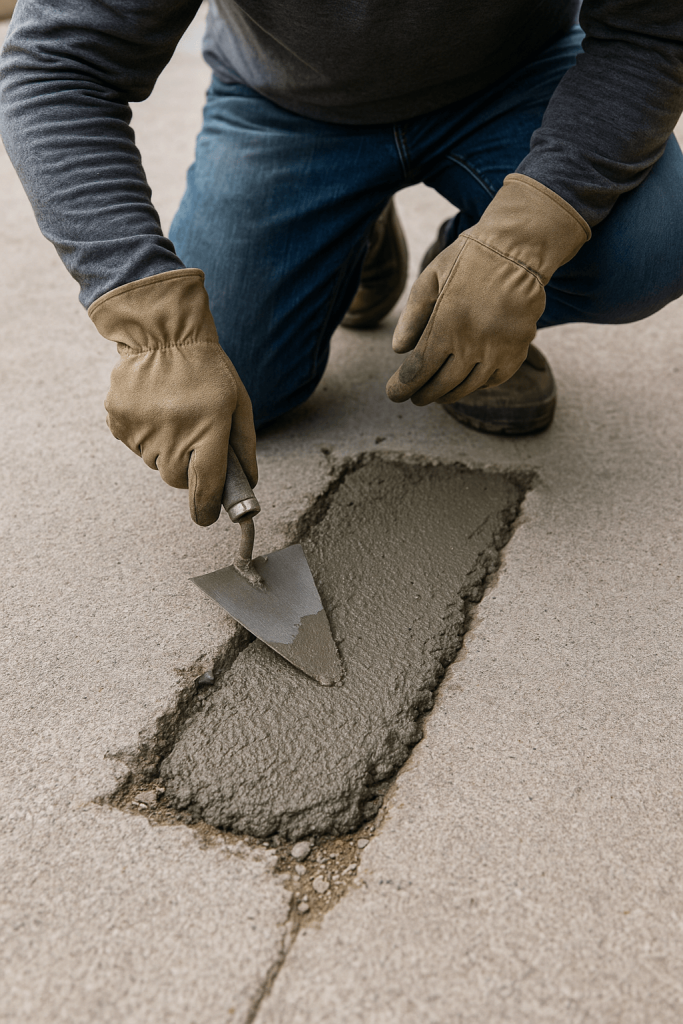
Reliable concrete repairs restoring strength, safety, and aesthetics.
When planning a concrete project in Spokane, choosing the right contractor can mean the difference between a long-lasting install and expensive repairs later.
Local crews handle everything from residential driveways and patios to commercial flatwork, including decorative finishes, repairs, and full replacements. Most contractors also serve nearby communities such as Spokane Valley, Liberty Lake, Airway Heights, Cheney, Medical Lake, Mead, Deer Park, Nine Mile Falls, Greenacres, and Millwood, and some may also take on projects in North Idaho (including Post Falls, Rathdrum, and Coeur d’Alene) depending on scope and scheduling.
In this region, performance comes down to the fundamentals: subgrade preparation, a properly compacted base, thoughtful joint layout, and curing. Spokane’s freeze-thaw cycles and winter de-icers can accelerate surface scaling when concrete is placed, finished, or cured incorrectly—or when water is allowed to sit and soak into joints and edges. For exterior work in freeze–thaw climates, many contractors use air-entrained concrete and mixes suited to the application; your contractor should be able to confirm the mix design and strength appropriate for your driveway, patio, or slab.
Concrete work often goes beyond basic installation. Contractors can build stamped patios, install walkways, add color or exposed aggregate finishes, and remove and replace failed slabs when necessary. Knowing your options helps you choose materials, finishes, and construction details that fit your goals and budget. The area includes both long-established companies with a strong track record and newer firms offering competitive pricing and modern techniques.
Concrete Contractor Services
Concrete contractors provide solutions for residential and commercial properties. Services range from driveways and patios to structural foundations, large-scale pours, decorative upgrades, and ongoing maintenance.
Residential Concrete Solutions
Residential concrete improves access, safety, and curb appeal. Driveways are among the most common projects, with options that range from standard finishes to decorative styles that better match your home. Patios can turn outdoor areas into functional living space. Many installers offer stamped finishes that resemble stone or brick. Eco-friendly mix options and recycled materials may also be available depending on the supplier and finish selected. Walkways improve circulation through the property and help tie together landscaping elements. Paths can be straight or curved, and finishes can be chosen for traction and appearance. Repair and maintenance services address cracks, stains, spalling, and surface wear. In some cases, resurfacing or overlay systems refresh existing concrete without full removal, reducing disruption and cost.
Commercial Project Expertise
Commercial concrete work requires experience, equipment, and careful coordination. Foundation work is especially important because it affects the entire structure and must meet strict specifications. Parking lot construction involves large pours, load requirements, drainage planning, and schedules that align with other site work. Contractors often coordinate with engineers, inspectors, and other trades to keep projects moving. Warehouse and industrial flooring may require tighter flatness tolerances and durable mixes designed to handle heavy equipment and daily traffic. Proper finishing and curing are critical for long-term performance. Retaining walls address drainage and soil stability on sloped sites. These structures often require engineering, reinforcement, and code compliance to meet safety standards.
Decorative and Specialty Concrete
Specialty options help you get more than a standard slab. Stamped concrete can mimic materials like stone, brick, or wood at a lower cost than natural products. Colored concrete can be achieved through integral pigments mixed into the concrete or by applying stains and dyes after curing. These approaches create a more finished look that complements surrounding architecture. Textured finishes add visual interest and can improve traction. Contractors can provide smooth, broom-finished, or exposed aggregate surfaces depending on the location and use. Concrete overlays allow installers to update existing surfaces without full removal. Overlays can change appearance, add texture, and extend the life of driveways, patios, and interior floors.
Concrete Driveway and Entryway Solutions
A well-built driveway starts below the slab. Proper excavation, base thickness, compaction, and drainage details do more to prevent cracking and settlement than almost any add-on. Finish and decorative choices matter too, especially for traction and long-term maintenance through winter conditions.
Driveway Design and Installation
Driveway planning begins with grade and drainage. Contractors evaluate soil conditions, how water moves across the site, and the loads the driveway will see—daily vehicles, delivery trucks, RVs, or trailers. Those details inform slab thickness, base depth, reinforcement choice, and joint layout. Common specifications often include: 4–6 inch thickness for many residential driveways, with thicker sections or edges where heavier loads are expected; compacted gravel base, with depth adjusted to site conditions and soil type; positive drainage away from structures to reduce ponding and freeze damage; and control joints laid out to create panels and help cracks form where planned. Reinforcement should be discussed clearly. Rebar, wire mesh, or fiber reinforcement can help hold cracks tight and reduce differential movement, but reinforcement does not stop concrete from cracking. The joint plan, base prep, and curing are what keep cracking controlled and surfaces durable. Curing is a major driver of surface strength and reduced scaling. Contractors may use curing compound, wet curing methods, or other approved approaches depending on weather and mix design. Your contractor should also advise on timing for vehicle traffic and early-life care, especially before the slab goes through its first winter.
Exposed Aggregate for Driveways
Exposed aggregate creates a textured surface by revealing stone in the concrete mix. It’s popular for driveways because it provides traction, hides minor wear better than smooth finishes, and offers natural color variation depending on the aggregate blend. Common aggregate options include river rock for a rounded, natural look; crushed granite for a more angular texture and varied tones; recycled glass for a distinctive decorative appearance; and local stone blends for a regionally consistent finish. The exposure process depends on timing. If the surface paste is removed too early, aggregate can loosen; too late and it becomes difficult to expose evenly. A consistent finish is usually a sign of a crew that has done a lot of this specific work. Maintenance typically includes periodic sealing every 2–3 years depending on sealer type, sun exposure, traffic, and winter product use. Use cleaning methods appropriate for the sealer and avoid aggressive techniques that can wear the surface or strip protection.
Driveway Repair vs. Resurface vs. Replace
Not every damaged driveway needs a full tear-out. The right approach depends on whether the problem is mostly cosmetic, surface-related, or structural. Common options include crack sealing for minor cracking where the slab is otherwise stable; full-depth patching or partial slab replacement for isolated structural failure; slab lifting (mudjacking or foam lifting) for settlement where slabs are intact; and resurfacing or overlay systems for worn surfaces when the base and slab are stable. Replacement is typically the best option when there is widespread cracking, multiple settled sections, drainage failures, or surface scaling and spalling that continues to spread. A professional assessment should look at base conditions, drainage, jointing, and whether moisture is entering at edges and joints—especially important in freeze-thaw climates.
Quick Finish Guide for Spokane Driveways
Broom finish: practical traction and straightforward maintenance for winter conditions. Exposed aggregate: strong traction and visual texture; benefits from consistent sealing. Stamped concrete: high-end look, but requires disciplined sealing and maintenance to protect color and reduce wear.
What to Expect: Typical Project Timeline and Access
Concrete projects vary based on size, weather, and site access, but most residential jobs follow a similar sequence. Typical steps include site visit and written scope confirmation (measurements, finishes, drainage plan, and access); demolition and haul-off (if replacing existing concrete); excavation, base installation, and compaction; forms, reinforcement placement, and grade checks; pour, finishing, and edge detailing; jointing (tooled joints during finishing or saw-cut joints after placement, depending on plan); curing and protection (the most important phase for long-term durability); and sealing (if included and appropriate for the finish and curing schedule). Access guidance depends on conditions and mix design. Many contractors allow light foot traffic after a short period, while vehicle traffic typically requires more time. Your contractor should provide specific timelines based on the weather, mix, and finish—especially for decorative or sealed surfaces.
Common Problems in This Region and How to Prevent Them
Most premature concrete failures trace back to a few predictable issues. Knowing what causes them helps you evaluate estimates and workmanship. Surface scaling and flaking is often linked to poor curing, finishing the surface with too much water, freeze-thaw exposure, or early use of harsh de-icers on young concrete. Settlement and uneven slabs are commonly caused by inadequate base depth, poor compaction, or water undermining the subgrade over time. Ponding and drainage problems occur when slopes are too flat or transitions trap water near garages, steps, or edges. Random cracking is usually worsened by weak joint layout, joints that are too far apart, or saw-cuts done too late. Spalling at edges and joints is often related to moisture infiltration, freeze-thaw expansion, and neglected joint sealing. Preventing these problems usually comes down to correct excavation depth, properly compacted base, a joint plan that matches the layout, good drainage, and disciplined curing.
Winter Care and Maintenance Tips for Spokane Concrete
Winter care has a big impact on how exterior concrete holds up over time. Avoid harsh de-icers early: many contractors recommend limiting de-icer use on newer concrete, especially during its first winter, and choosing products recommended for concrete surfaces when needed. Control water: keep downspouts and snowmelt from discharging onto slabs and pooling near edges and joints. Shovel smart: plastic shovels or shovel edges designed for hard surfaces can reduce gouging, especially on stamped or decorative finishes. Keep joints maintained: joints and cracks that allow water in are a major contributor to freeze-thaw damage; reseal when needed. Reseal on schedule: sealing frequency depends on the sealer type and exposure; high-traffic driveways and decorative surfaces often need more regular attention than sheltered slabs. A contractor can recommend a maintenance plan based on the finish, sealer type, sun exposure, and how winter products are typically used on the surface.
Patios and Walkways
Concrete patios and walkways improve outdoor usability while offering multiple finish options. Good installation practices help surfaces hold up through weather changes, while decorative techniques can significantly improve curb appeal.
Custom Concrete Patios
Custom patios are designed around your space, drainage needs, and how you plan to use the area. Contractors evaluate yard layout, access points, and nearby landscaping so the patio functions well and integrates cleanly with the property. Installation typically includes excavation, base compaction, reinforcement, and controlled joint placement. The patio is sloped to direct water away from structures and reduce pooling. Design considerations include size and shape (rectangular, curved, or free-form layouts); thickness (often 4–6 inches for residential patios); integration with doors, steps, and landscaping; and traffic paths and furniture layout. Finish options range from smooth surfaces to broom textures for added traction. Color can be added through integral pigment or applied stains and dyes to create a more tailored look.
Decorative and Stamped Concrete Options
Decorative concrete upgrades a plain slab into a more detailed surface that can resemble stone, brick, tile, or wood. Stamped concrete uses patterned mats pressed into the surface at the right stage of curing to create texture and joint lines. Popular patterns include ashlar slate, cobblestone, and wood plank designs. Each pattern requires specific tools and consistent technique to keep the finish uniform across larger areas. Color enhancement options include integral pigment for a consistent base color; color hardener for added surface durability and tone; and release agents for depth and natural-looking variation. Exposed aggregate finishes reveal stone within the mix by removing the surface paste. Stains can also be used to produce subtle variation or more consistent coverage depending on the product type and application method. Sealing helps protect decorative finishes from weather and staining.
Concrete Walkway Construction
Walkway construction requires planning for drainage, width, and integration with existing paths and slabs. Many residential walkways are built around 4–5 feet wide to support comfortable passage. Prep includes excavation to the right depth and a compacted base. Contractors establish slope away from structures to help direct runoff. Construction specifications often include minimum 4-inch thickness for pedestrian use; reinforcement options such as mesh or rebar where needed; control joints typically placed every 4–6 feet; and edge finishing for safety and durability. Finishes can include broom texture for traction, decorative scoring, or curved layouts using carefully formed edges. Transitions between walkways, patios, driveways, and entrances should align properly for accessibility and long-term performance.
Decorative and Colored Concrete Finishes
Concrete can be upgraded into a strong design feature through stamping, color application, and specialized finishes. These options provide the look of premium materials while maintaining the durability and longevity concrete is known for.
Stamped Concrete Techniques
Stamped concrete produces textured surfaces that resemble materials like stone, brick, wood, or tile. Molds are pressed into the slab at the right time to achieve detailed patterns. Popular patterns include ashlar slate, cobblestone, wood plank, and herringbone brick. Installers typically apply release agents and, when specified, surface coloring products during placement to improve detail and realism. Borders and accent bands can add definition and reduce large-area uniformity.
Colored Concrete Applications
Colored concrete can be created using integral pigments, acid stains, or water-based stains. Each method produces a different look depending on the finish and setting. Integral pigment is mixed throughout the concrete, creating consistent color across the slab depth. Acid stains chemically react with the surface and often produce varied, marbled effects. Water-based stains can provide more uniform, vibrant color options and can be used for consistent coverage or design details.
Specialty Finishing Options
Finishing options include polishing, overlays, and stenciled designs. Polished concrete uses grinding and densification to create a smooth, reflective surface that is easy to maintain. Overlay systems can add texture or refresh existing slabs. Stenciling can create borders, patterns, or graphics. Exposed aggregate can be achieved using mix selection or seeded aggregate techniques for a more customized appearance.
Concrete Repair, Removal, and Maintenance
Contractors provide repair services for damaged slabs, removal and replacement for failed surfaces, and maintenance programs that help protect your investment long term.
Concrete Repair Services
Repair services may address cracks, spalling, settlement, and surface deterioration. Contractors evaluate underlying causes and match repair methods to the slab’s condition. Common repair techniques include crack sealing or injection depending on severity; resurfacing for worn surfaces; localized patching; and joint repair and sealing to reduce water intrusion. Good repairs are designed to last, not just mask problems. Matching materials and using proper prep helps repairs blend and perform over time.
Concrete Removal and Replacement
Removal is often necessary when structural integrity is compromised or when repairs are no longer cost-effective. Contractors use demolition equipment, remove debris, rebuild the base, and install a new slab with improved drainage and reinforcement where needed. Replacement also creates an opportunity to upgrade finishes, adjust layout, or correct slope and drainage issues.
Routine Concrete Maintenance
Maintenance helps reduce cracking, staining, and freeze-thaw damage. Winter conditions can accelerate deterioration if water penetrates joints and cracks. Key maintenance tasks include annual cleaning; sealing every 2–3 years depending on finish and exposure; joint inspection and resealing when needed; and monitoring and addressing small cracks early. Some contractors offer annual service plans that include inspection, cleaning, and minor repairs.
Choosing the Right Concrete Contractor in Spokane
Choosing a contractor comes down to workmanship fundamentals, clear scope, and accountability. The best estimates explain what’s happening below the slab—excavation, base, compaction—how cracking will be controlled through joint layout, and how the surface will be protected through curing and sealing.
What to Look for in a Quality Contractor
Clear plan for excavation, base material, base thickness, and compaction. Joint layout that fits the driveway shape and helps reduce random cracking. Curing plan appropriate for weather and the finish selected. Experience with the specific finish you want, since stamped work and exposed aggregate are specialty skills. Licensed, bonded, and insured, with documentation available.
Estimate Checklist: Questions Worth Asking
How deep will you excavate, and what base material will you install? How will you compact the base, and will you compact in lifts? What thickness will the slab be, and will any areas be thickened for heavier loads? What reinforcement will you use, and why—rebar, mesh, fiber, or a combination? Where will control joints be placed, and will they be tooled or saw-cut? How will you handle drainage, including transitions and avoiding ponding at edges? What curing method will you use, and what does your post-pour care guidance include? Is sealing included? If yes, what type, and when will it be applied? What is the workmanship warranty, and what conditions are excluded?
Evaluating Experience and Reputation
Look for contractors who regularly complete projects similar to yours and can show recent local work. Reviews are helpful, but consistency matters more than a single rating. Pay attention to comments about communication, schedule reliability, cleanup, and how issues were handled. Ask for references from recent installs, including one that has gone through at least one winter season. If the contractor does decorative work, request photos that show edges, joints, and transitions—not just wide shots.
Understanding Codes, Permits, and Site Constraints
Permits and requirements can vary based on location, scope, drainage impact, and whether work affects the right-of-way near sidewalks or approaches. A professional contractor can flag these issues early and explain how timelines and inspections may affect scheduling.
Comparing Estimates and Warranties
Request written estimates from at least three contractors and compare scope, prep details, and finishing steps—not just the total price. The lowest bid often cuts cost where you can’t see it: base depth, compaction time, jointing, curing, and cleanup. Before signing, confirm payment schedule terms and how changes are handled. Milestone-based payments are common. Be cautious of anyone demanding full payment up front or providing a vague estimate without a defined scope.
Frequently Asked Questions
What factors should I consider when selecting a reputable concrete contractor?
Verify licensing and insurance, review examples of similar local projects, and confirm the contractor explains subgrade prep, base compaction, joint layout, and curing guidance. Ask for references from recent customers.
Where can I find reviews and testimonials for concrete services in the area?
You can find reviews on major platforms and local listings, along with testimonials on contractor websites and photos on social media profiles. Look for patterns across multiple sources rather than relying on one platform.
Can I view a gallery of completed concrete projects?
Many contractors publish portfolios online. You can also ask for examples of recent local work or references who are willing to share their experience.
How do costs compare to other regions?
Pricing is influenced by material costs, labor, access, prep requirements, and finish selection. The most reliable way to understand pricing is to get multiple itemized quotes for the same scope.
When is the best time of year to schedule a concrete project in Spokane?
The ideal window is typically May through September. While concrete can be poured in the early spring or late fall, it requires careful monitoring of overnight frost. Experts avoid pouring on frozen subgrades or during extreme July/August heat (90°F+) without specific measures to control the curing rate and moisture loss.
What steps should I follow to obtain an accurate quote?
Gather basic measurements and finish preferences, then schedule on-site visits with multiple licensed contractors. Request itemized quotes that include prep, materials, finishing, disposal, and sealing where applicable.
Frequently Asked Questions
Find quick answers to common questions about our concrete services, processes, timelines, and why we’re the trusted choice in Spokane.
Which concrete services do you offer?
We specialize in driveways, patios, sidewalks, foundations, decorative finishes, and repairs. Local homeowners and businesses across Spokane and Eastern Washington trust us for durable, long-lasting, and attractive concrete solutions tailored to their needs.
How long will a typical project take?
Project timelines vary based on size and complexity. Smaller projects like patios or driveways can take a few days, while larger commercial foundations may require several weeks. We always provide a clear schedule before work begins.
Do you provide free estimates?
Yes, we offer free, no-obligation estimates. Our team will evaluate your project, discuss your objectives, and provide a detailed quote outlining costs, timeline, and tailored solutions before any work begins.
How do you ensure concrete lasts long-term?
We use high-quality materials, proven methods, and proper reinforcement. Each project is meticulously prepared and finished to withstand weather, heavy use, and time – ensuring lasting durability and performance.
Can you create custom decorative concrete finishes?
Absolutely. We offer stamped, stained, and textured concrete finishes to suit your style. Our decorative solutions add beauty, uniqueness, and value to your property while preserving strength and durability.
What sets your company apart?
We combine skilled craftsmanship, transparent communication, and dependable service. With years of expertise, we’re committed to completing projects on time, within budget, and built to last – every time.
Get in touch with our professional team
Contact us today for expert concrete solutions – quick estimates, friendly service, and lasting results.
- Spokane, WA, USA
- (509) 616-1234
- support@concretecontractorspokane.com